Handling a Clogged Drain Call in Valinhos: A Technician’s Checklist
Before you start any drain job in Valinhos, have four things ready: the exact address and property type, a clear description of the symptom (slow drain, backflow, odor, or complete blockage), the location of the cleanout or inspection box, and a contact number for the person on site. With those in hand, you can dispatch or diagnose without a second call. Most tickets I handle as a support technician go sideways not because the clog is hard, but because the caller cannot say whether the problem is inside the unit, in the building’s main line, or out at the street connection. Getting that first detail right saves an hour.
When the property is in Valinhos and the blockage is already causing backflow, the practical move is to bring in a desentupidora Valinhos SP rather than improvise with a plunger and hope. The city mixes older residential streets with newer condominium blocks, and the pipe layout differs enough that the same symptom points to different causes depending on the neighborhood.
What to confirm before the technician leaves the base
A checklist works only if it is short enough to use on a live call. I keep it to five questions, and I ask them in this order because each answer narrows the next one.
- Property type: house, apartment, commercial kitchen, or condominium common area.
- Symptom pattern: one fixture only, several fixtures, or water rising in the floor drain.
- Access point: is there a cleanout, inspection box, or accessible manhole?
- Recent history: any construction, grease disposal, or tree work nearby.
- Urgency: is water entering a living area, or is it contained?
If the caller says water is rising in a floor drain when they flush a toilet, that is a main-line signal, not a fixture problem. If only the kitchen sink is slow, the grease trap or the branch line is the first suspect. Those two answers alone decide whether the crew brings a hand snake or a hydrojetting truck.
Reading the symptom correctly on site
Symptoms are not interchangeable, and misreading one sends the whole job in the wrong direction. A gurgling sound after each flush usually means air is being pulled through a partially blocked vent or main line. A persistent sewer smell with no backup often points to a dry trap or a cracked pipe rather than a clog. Slow drainage across the whole unit is different from a single slow sink.
I ask the technician to note the fixture that backs up first, because that fixture is usually closest to the blockage. In apartments, the unit below the complaint is often the one that reveals the truth: if their ceiling shows staining, the problem is in the stack, not in the caller’s drain.
Fixture-level versus main-line blockages
A fixture-level clog sits in the trap or the branch line and responds to mechanical clearing. A main-line blockage sits between the building and the public network, and it will not clear from a single sink. Treating a main-line clog as a fixture clog is the most common mistake I see, and it usually ends with a repeat visit the same week.
Matching the tool to the blockage
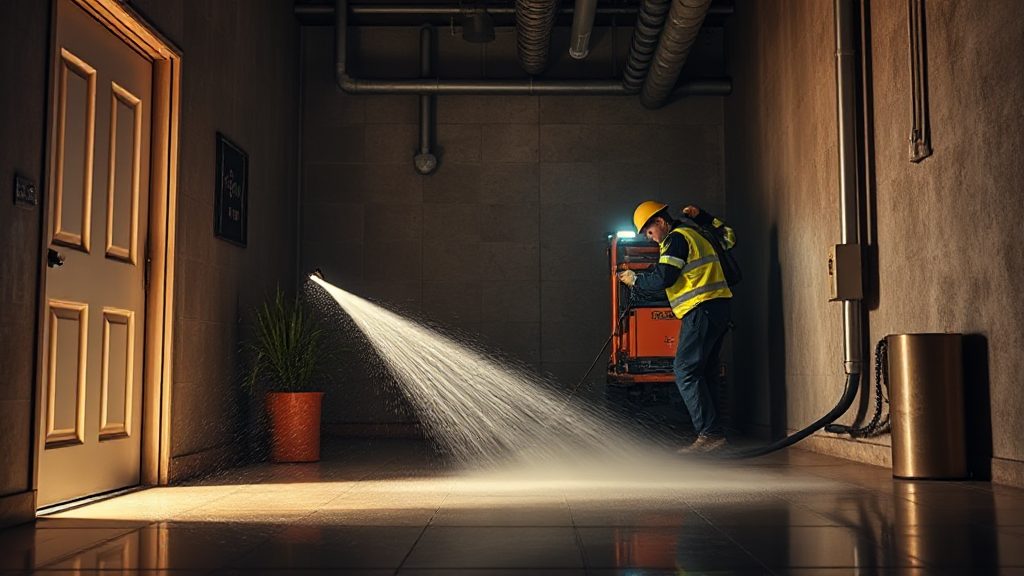
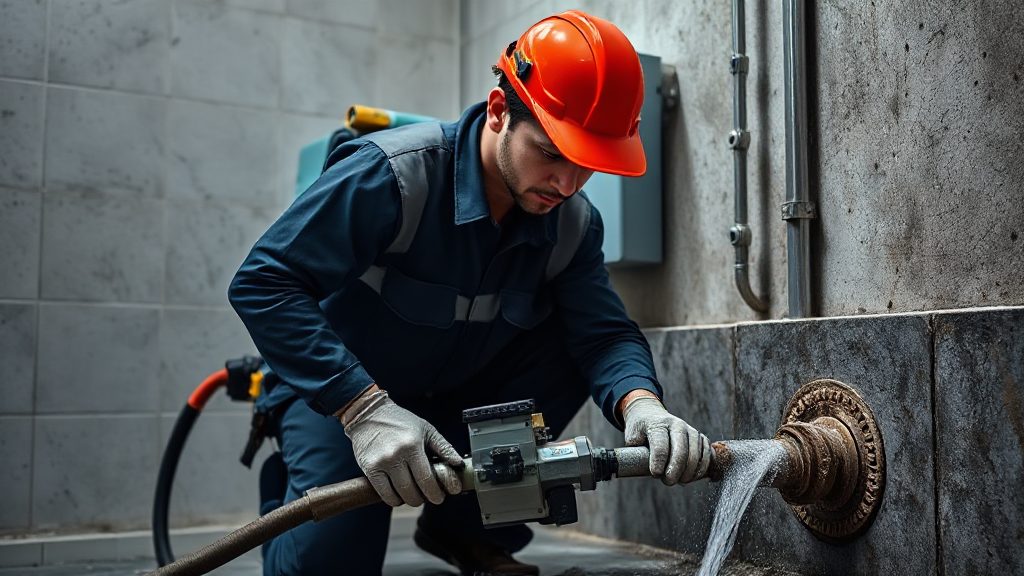
Tool choice follows from the diagnosis, not from what is already loaded on the truck. A manual or drill-driven snake handles hair, soap residue, and small grease plugs in branch lines. Hydrojetting, which uses high-pressure water, is the right call for grease buildup, roots, and scale inside larger pipes. Suction and vacuum equipment removes standing water and loose debris before any mechanical work begins.
For a desentupidora Valinhos job in a commercial kitchen, I plan for grease first and confirm the trap size before dispatch. For a residential street with mature trees, I plan for root intrusion and expect the crew to inspect the line after clearing it. Skipping the post-clearing inspection is how a cleared drain becomes a repeat ticket two months later.
Safety and access checks that protect the property
Before any equipment enters the line, confirm that the cleanout cap can be opened without damage and that the area around it is clear. A seized cap that gets forced open can crack, and that turns a clearing job into a repair job. Confirm too that no one is using water fixtures upstairs while the line is open.
Ask about recent chemical drain products. If the caller poured a caustic product down the drain within the last few hours, the technician needs to know before opening anything, because splashback is a real hazard. Protective equipment and eye protection are not optional on these calls.
In condominiums, access to the common-area manhole and any locked technical rooms should be arranged before arrival. A crew standing outside a locked gate is a wasted trip, and in an emergency that delay matters.
What the job record should contain
A useful service record is short but specific. It should state the access point used, the tool applied, the depth reached, what was removed, and whether the line was inspected afterward. It should also note the condition of the pipe where visible, because that note is what a building manager uses to decide on preventive maintenance.
| Record item | Why it matters |
|---|---|
| Access point | Speeds up any future visit |
| Tool and depth | Shows whether the full line was reached |
| Material removed | Distinguishes grease, roots, or debris |
| Post-clearing inspection | Flags damage before it becomes a leak |
If the property is a restaurant or a condominium, keep that record on file. Patterns show up across visits, and a recurring grease blockage in the same branch line is a maintenance signal, not bad luck.
Preventive steps worth recommending after the call
Once the line is clear, the recommendation should be specific to what was found. If grease caused the blockage, a trap-cleaning schedule matters more than any product on the shelf. If roots were the cause, the property needs a camera inspection and possibly a lining decision, because clearing roots without addressing the entry point guarantees a return.
For older homes, I suggest checking floor drains in unused rooms occasionally, since a dry trap lets odor through and makes a healthy line look like a problem. For buildings, a periodic hydrojetting schedule on the main line is cheaper than emergency call-outs, especially where the network is shared.
When to escalate instead of clearing again
Repeated blockages at the same point are a structural message. If the same line clogs three times in a season, clearing it a fourth time is not a fix. That is the point to request a camera inspection and a written assessment. Collapsed pipe, offset joints, and root infiltration all show up on camera and all require more than a snake.
The same applies when water backs up across multiple units at once. That pattern points to the building connection or the public network, and the correct next step may involve the utility rather than the property owner alone. Knowing when to hand off is part of doing the job properly.
For a scheduled or emergency visit in the region, a desentupidora em Valinhos SP can confirm the access setup and the right equipment before arriving, which keeps the first visit productive.
Frequently asked questions
How long does a typical drain clearing take?
Most fixture-level clogs clear within an hour once access is confirmed. Main-line work, hydrojetting, and post-clearing inspection usually take longer, so plan for a wider window when the symptom involves backflow across multiple fixtures.
Can I keep using water while waiting for the technician?
Stop using fixtures connected to the blocked line. Continued use adds volume and can turn a contained blockage into a overflow into living areas or neighboring units. If water is already rising, shut off the supply if you can reach the valve safely.
Do I need to be present during the service?
Someone with access to the cleanout and authority to approve the work should be on site. For condominiums, that usually means the manager or a designated staff member, since common-area access often requires keys or codes.
Is hydrojetting safe for older pipes?
It depends on the pipe condition. Pressure and nozzle choice are adjusted to the material and diameter, and a camera inspection before jetting is the safe way to confirm the line can take it. Tell the technician the approximate age of the plumbing when you call.